
Your customer’s brain is wired incorrectly (and that is your opportunity).
Nobel Prize winner Daniel Kahneman found that people struggle to determine value. Smart business owners can use mental shortcuts and emotional triggers to their advantage.
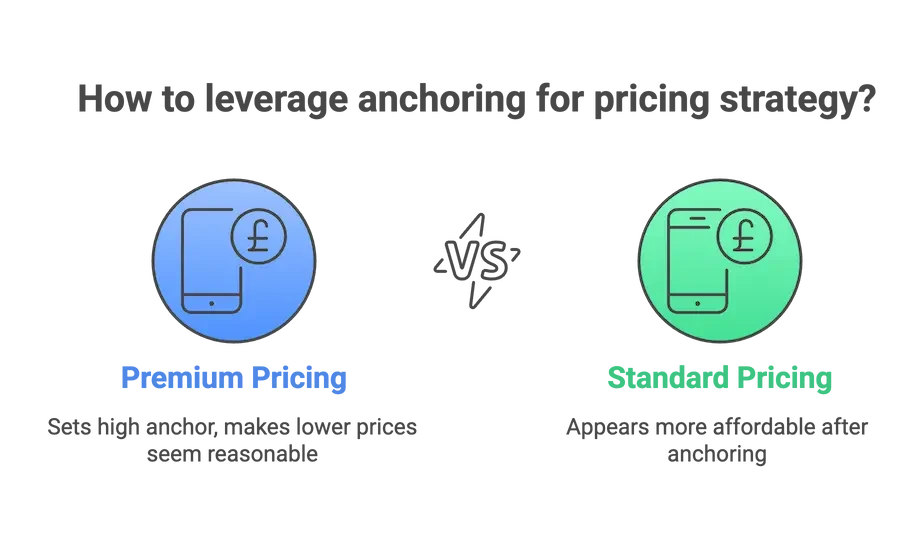
The most powerful trigger? Anchoring. This is your tool for making premium prices seem reasonable.
Apple’s new iPhone price of $1,200 sets an anchor. Suddenly, the $900 model looks sensible, and the $600 version seems like a steal. The $1,200 price makes everything else appear reasonable.
MIT’s Dan Ariely found that customers pay more when a higher price is shown first, even if it’s arbitrary. One study found that people paid up to 60% more when first shown higher anchors.
The Scarcity Trigger That Makes Customers Panic-Buy
Want to know why Supreme charges $300 for a plain white t-shirt? It’s not the cotton quality. They’ve mastered the scarcity trigger.
When something is limited or hard to get, our brains see it as more valuable. This explains why people camp out for Black Friday deals or pay a lot for “limited edition” items.
Innovative service providers say, “I only take on three new clients per quarter.” This makes working with them feel special, not ordinary.
Authentic scarcity is key. Don’t fake it; create absolute limits based on your capacity or standards. Your customers will appreciate it.
The Social Proof Trigger That Sells Itself
Nothing justifies a premium price like knowing others are paying it, too. Luxury brands often feature celebrity clients. Consultants use Fortune 500 logos to build trust. SaaS companies rely on customer testimonials for credibility.
However, not all social proof is equal. Premium pricing needs premium social proof.
To charge premium prices, you need endorsements from respected customers. One testimonial from a leader is worth more than fifty from bargain hunters.
The Authority Trigger That Justifies Any Price
Here’s a fact that will change your pricing: People pay more for expertise.
When you show that you’re an expert in solving similar problems, price matters less. Customers buy certainty, not just your time or product.
A heart surgeon can charge $50,000 for a three-hour procedure. In contrast, a general practitioner earns only $200 for the same time. It’s about specialized authority.
Research from Harvard Business School found that if you show your expertise early, customers may pay 23% more for the same service.
To learn how to be the top authority in your market, read our Premium Pricing Strategy Guide.
The Effort Trigger That Creates Perceived Value
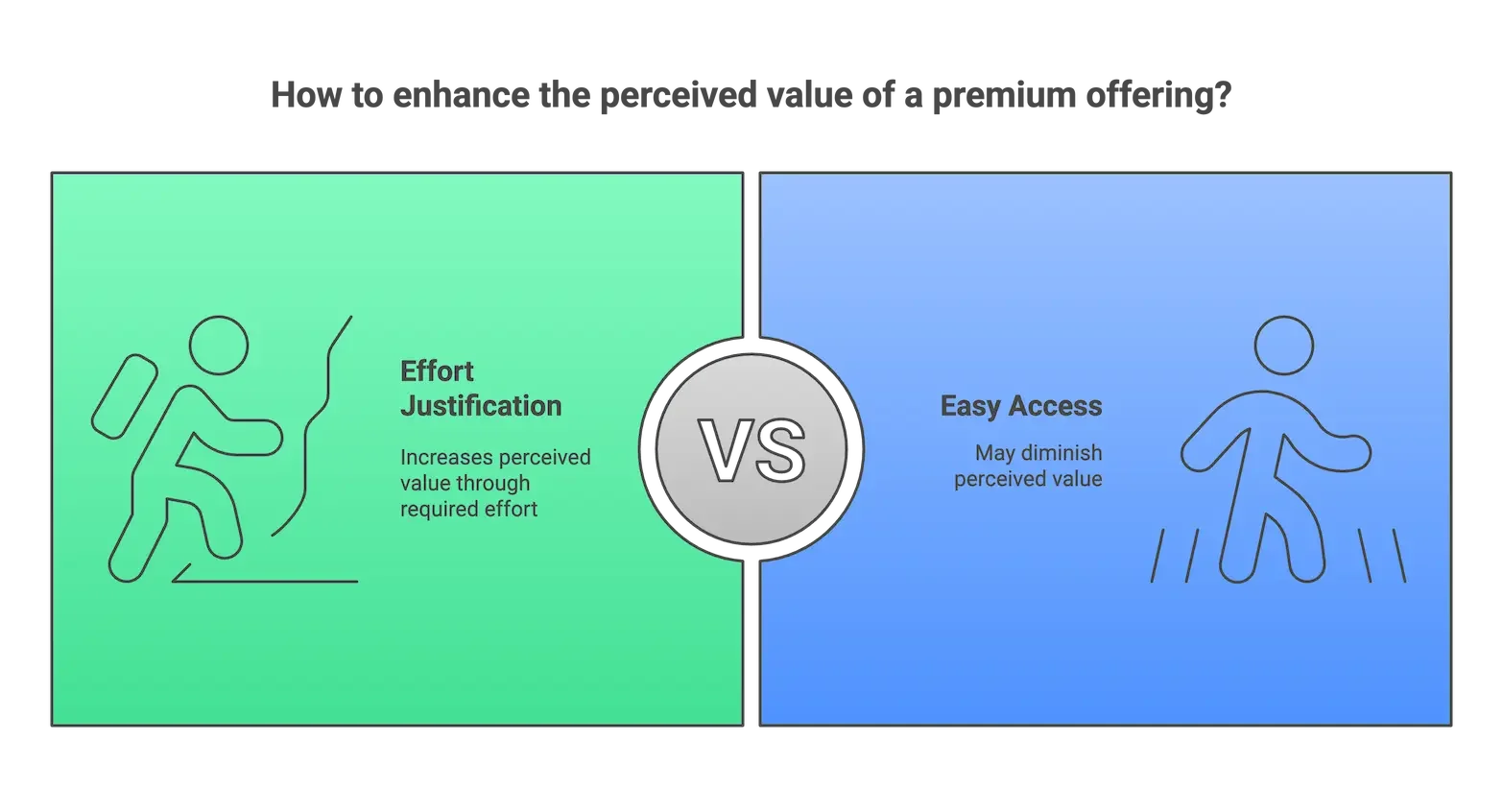
Here’s a twist: Making your premium offering a bit harder to buy can boost its perceived value. This is called the “effort justification” trigger.
When customers have to work to access your premium service—filling out a questionnaire or having a consultation—they value it more. This is why people cherish things they’ve worked hard to achieve.
High-end consultants often require referrals or have an “application process.” Accepting is like a status symbol, making the premium price seem justified.
The Loss Aversion Trigger That Closes Deals
People hate losing things more than they like gaining them. Loss aversion is your secret weapon for premium pricing.
Instead of focusing on what customers gain by buying from you, highlight what they’ll lose by not buying. Don’t sell features; sell the cost of missing out.
“Without this system, you’re missing out on $50,000 monthly.” It’s more powerful than just saying, “This system will help you earn money.” The result is the same, but the psychological effect is different.
The Reciprocity Trigger That Makes Premiums Feel Fair
Want customers to feel good about paying premium prices? Give them something valuable first. This triggers reciprocity—the need to return favors.
Provide real value upfront, showing your expertise and building trust. A detailed diagnostic or custom strategy session can help.
When customers get value before paying, they’re more likely to return the favor. They’ll do business with you at the price you choose.
Putting It All Together: The Premium Psychology Stack
The magic happens when you combine these triggers:
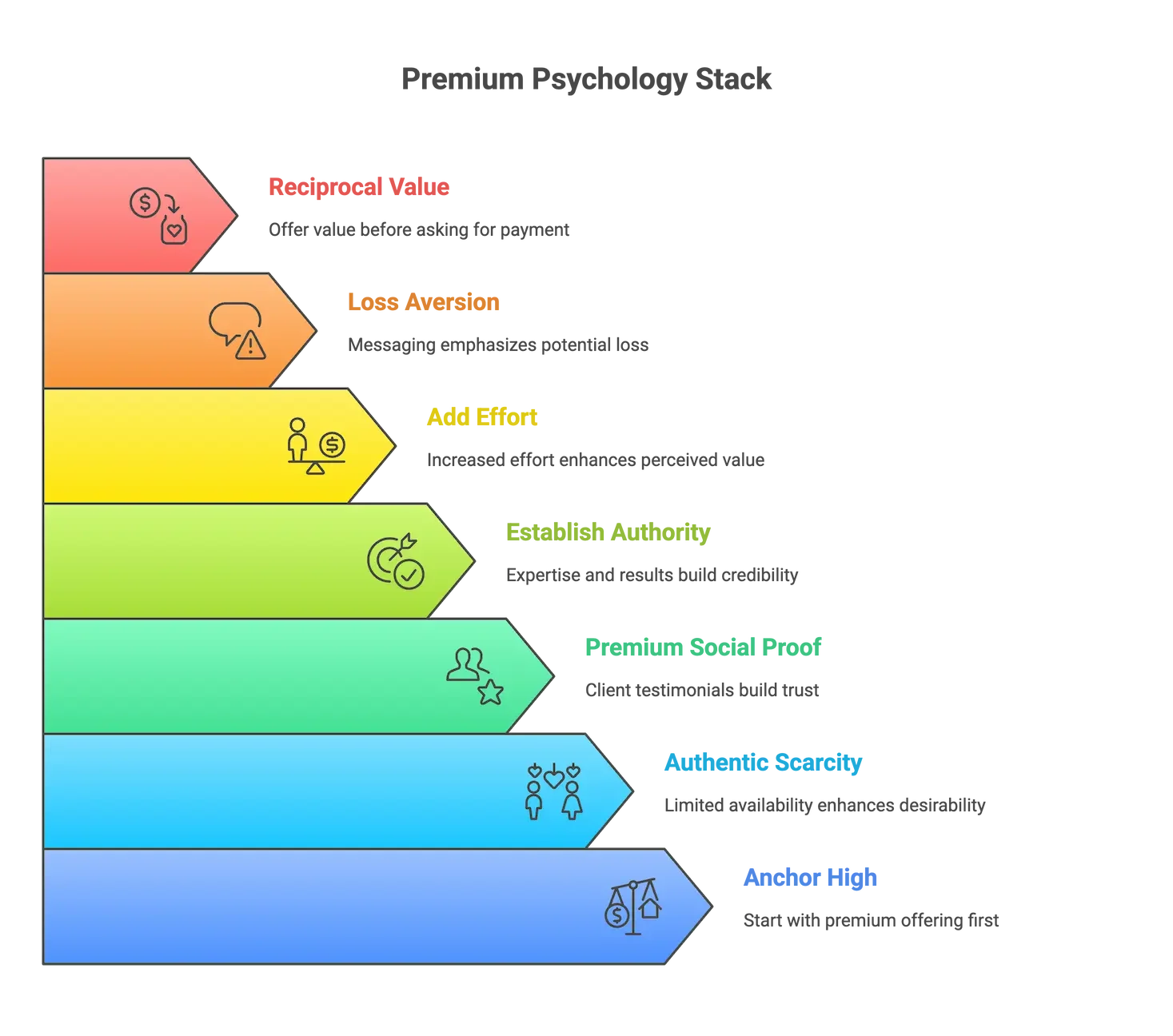
- Anchor high with your premium offering first.
- Create authentic scarcity around your availability.
- Showcase premium social proof from respected clients.
- Establish your authority with expertise and results.
- Add effort to the buying process to enhance perceived value.
- Focus on loss aversion in your messaging.
- Provide reciprocal value before asking for payment.
This isn’t about tricking customers. It’s about aligning your pricing with how human psychology works. When you grasp these triggers, premium pricing becomes an innovative business model.
Your customers are already making emotional and psychological decisions about value. Will you guide those decisions, or leave them to chance?
Ready to stop leaving money on the table? Use psychology to justify the premium prices your expertise deserves. Our Premium Pricing Strategy Guide is a whole playbook. It shows how to use psychological triggers and other strategies. These tools help premium brands stand out from the rest.
The biggest trigger is confidence in one’s own value. That starts with understanding how one’s customers think.